
Orthognathic surgery
Jaw surgery goes beyond enhancing facial aesthetics — its primary goal is to correct facial harmony, improve the bite, and restore proper function of the masticatory system.
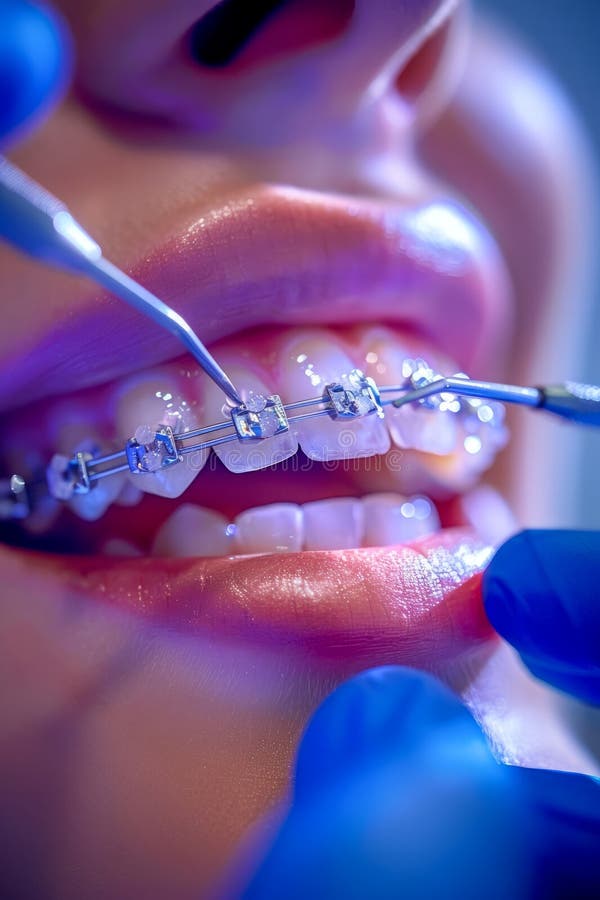
In certain cases, orthodontic treatment alone (braces or aligners) cannot fully address or camouflage underlying skeletal disharmonies. For these patients, achieving the best results requires a carefully coordinated approach that combines orthodontic treatment with corrective jaw surgery. This integrated treatment plan not only corrects the bite and improves jaw function, but also provides a more balanced and harmonious facial appearance.
Treatment typically spans 1 to 3 years and begins with a thorough assessment of your condition and your goals. As part of the process, we will also arrange a consultation with one of the highly skilled surgeons we work alongside, to ensure you have a clear understanding of the steps involved.
Orthodontic treatment with fixed appliances is usually the first stage, aligning the teeth into their ideal positions. Around two-thirds of the way through treatment, most patients are ready to proceed with jaw surgery. Following surgery, orthodontic treatment typically continues for a further 6–9 months to fine-tune the bite and achieve the best possible outcome.
We recognize that this is a life-changing treatment. That’s why we encourage patients to make well-informed decisions, and we are committed to supporting and advising you at every step of your journey.
At a glance
Treatment Journey
Usually takes between 2–3 years
Comfort
Some moderate discomfort can be expected, especially after adjustments or surgery
Check-ups
Every 3–6 weeks to monitor progress
Adjustment Visits
Typically last 30–60 minutes
Retention
Wearing retainers is a lifelong commitment to maintain your results
F.A.Q
Is it painful?
You may feel some soreness after surgery, but this is usually well managed with medication. Most people are surprised at how quickly the discomfort eases.
What does jaw surgery involve?
Jaw surgery helps to correct how your jaws and teeth fit together. It’s carried out in hospital while you’re asleep under a general anaesthetic. Our team will guide you through each step and support you during your recovery.
What happens if I run into a problem?
We’re always here if you need us. If you have any worries—before or after your surgery—just give us a call. We’ll talk you through what to do and arrange to see you if needed.
How do you plan for my surgery?
We use scans, X-rays, and photographs to build a clear picture of your jaw and face. This allows us to plan your treatment with great accuracy and explain what you can expect.
Will jaw surgery change the way I look?
Yes, it usually does. Many patients notice that their face looks more balanced and in proportion after surgery. We’ll show you the likely changes so you’ll know what to expect.
How can I pay for my treatment?
We understand treatment is an investment, so we offer flexible payment options, including finance plans, to help spread the cost. Our team will talk you through the choices available.
Before & After
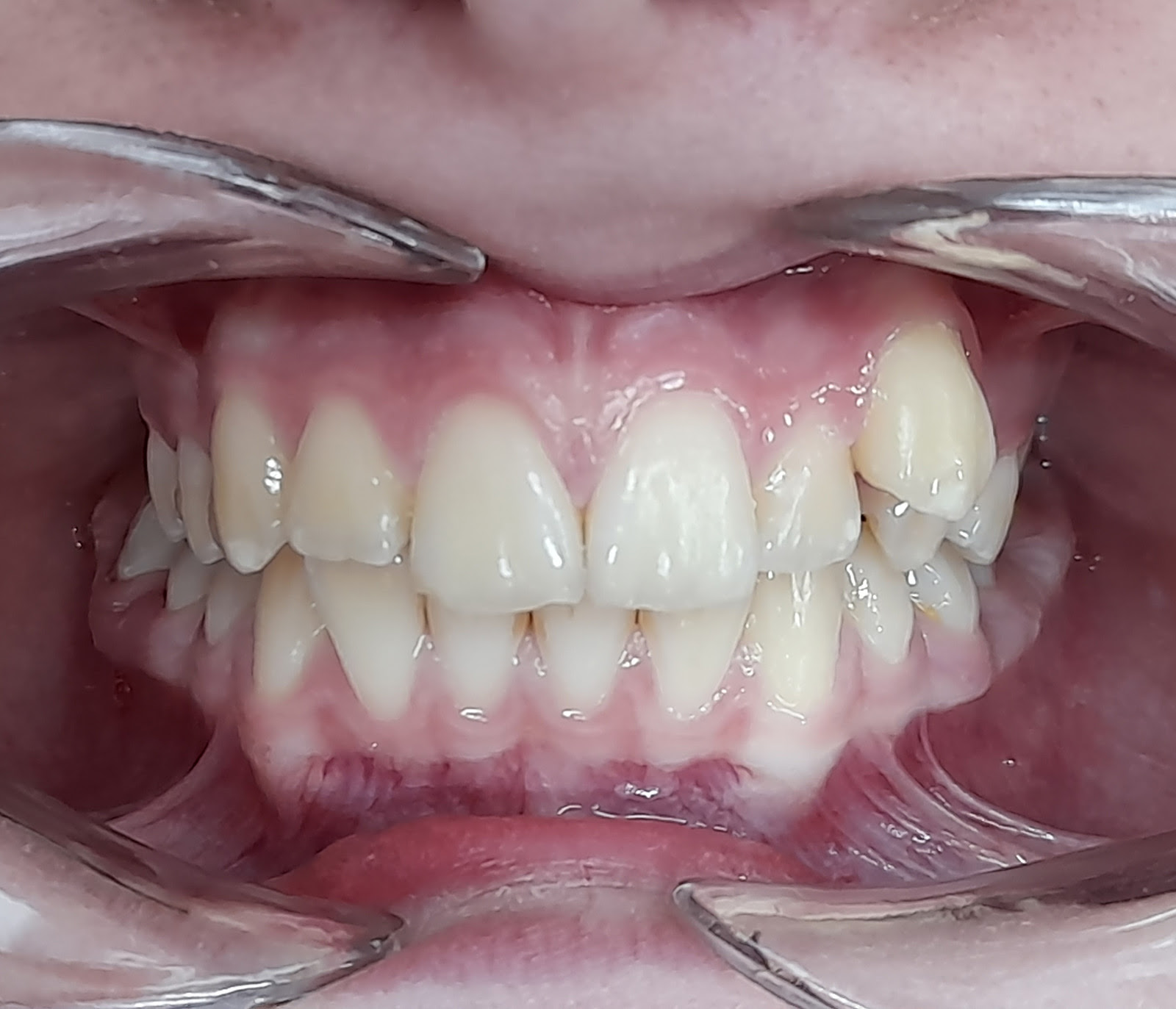
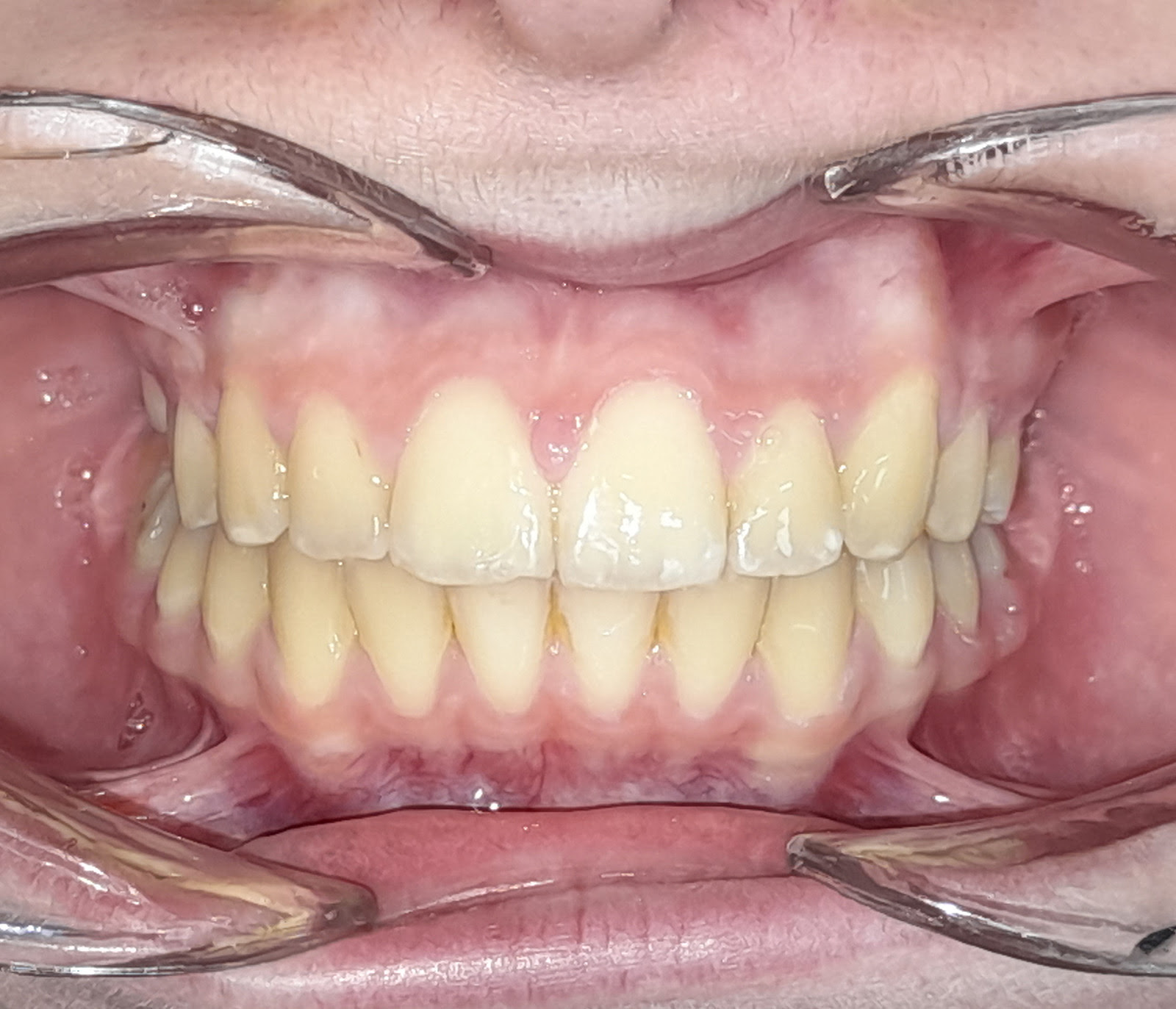
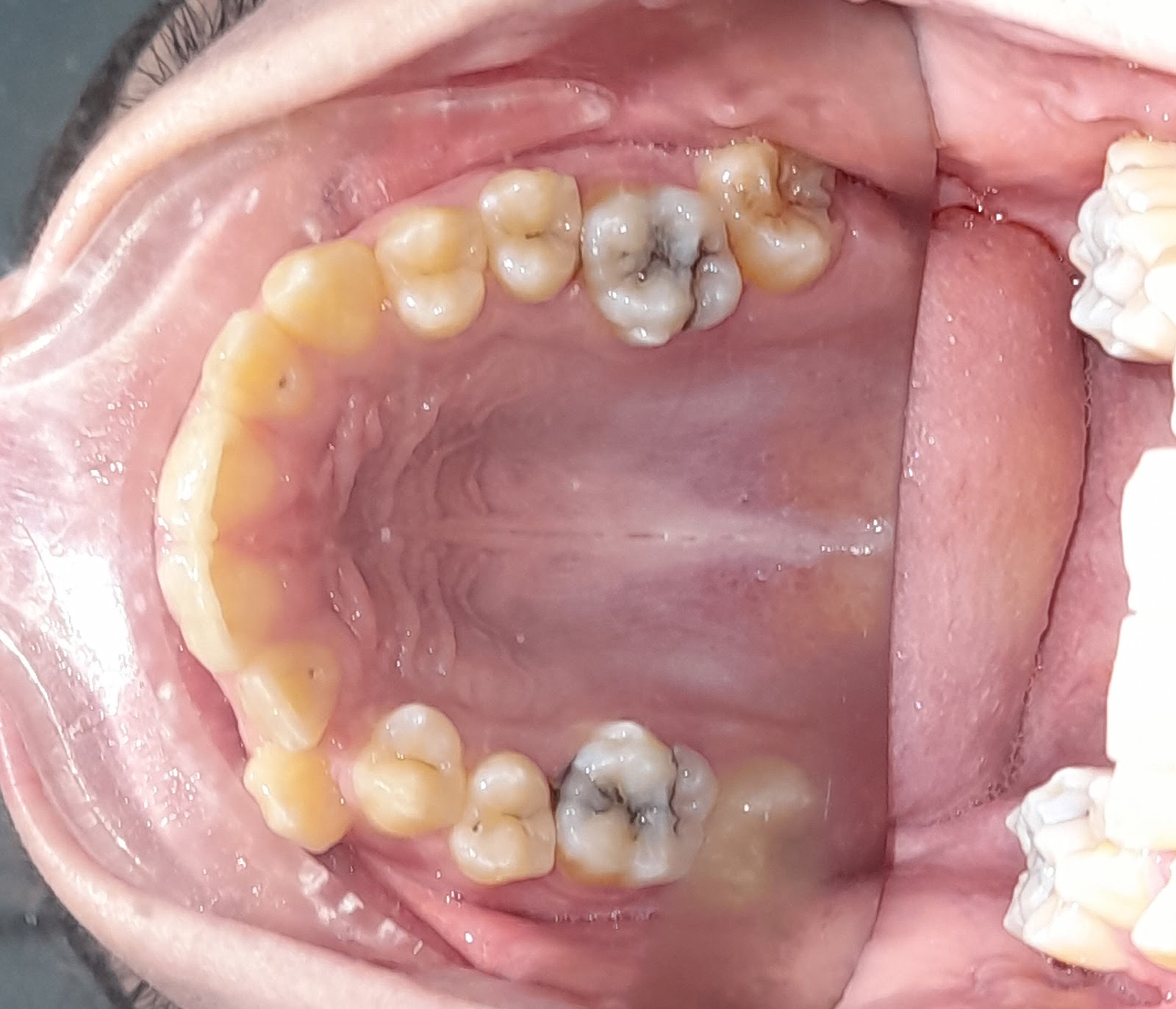
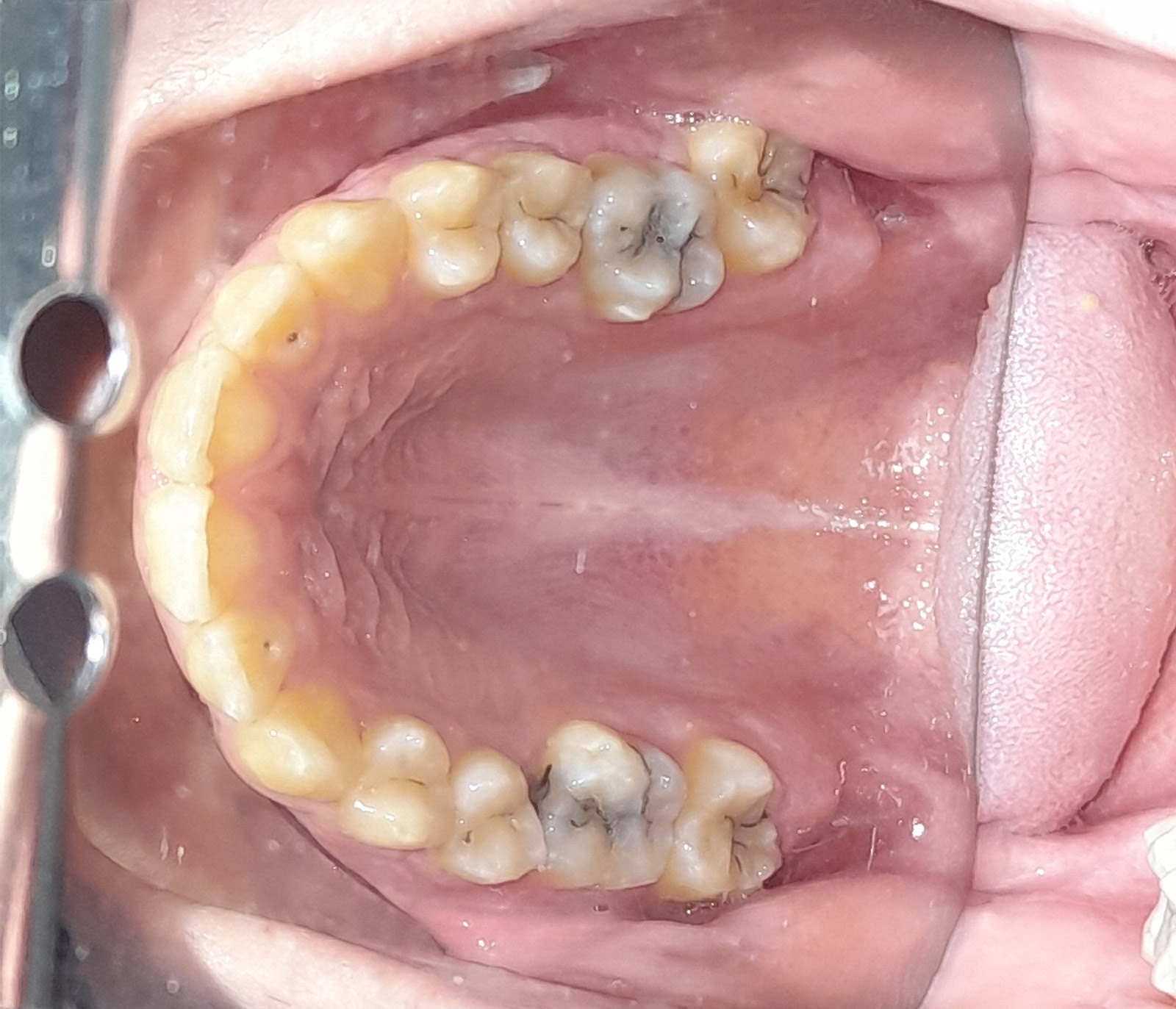
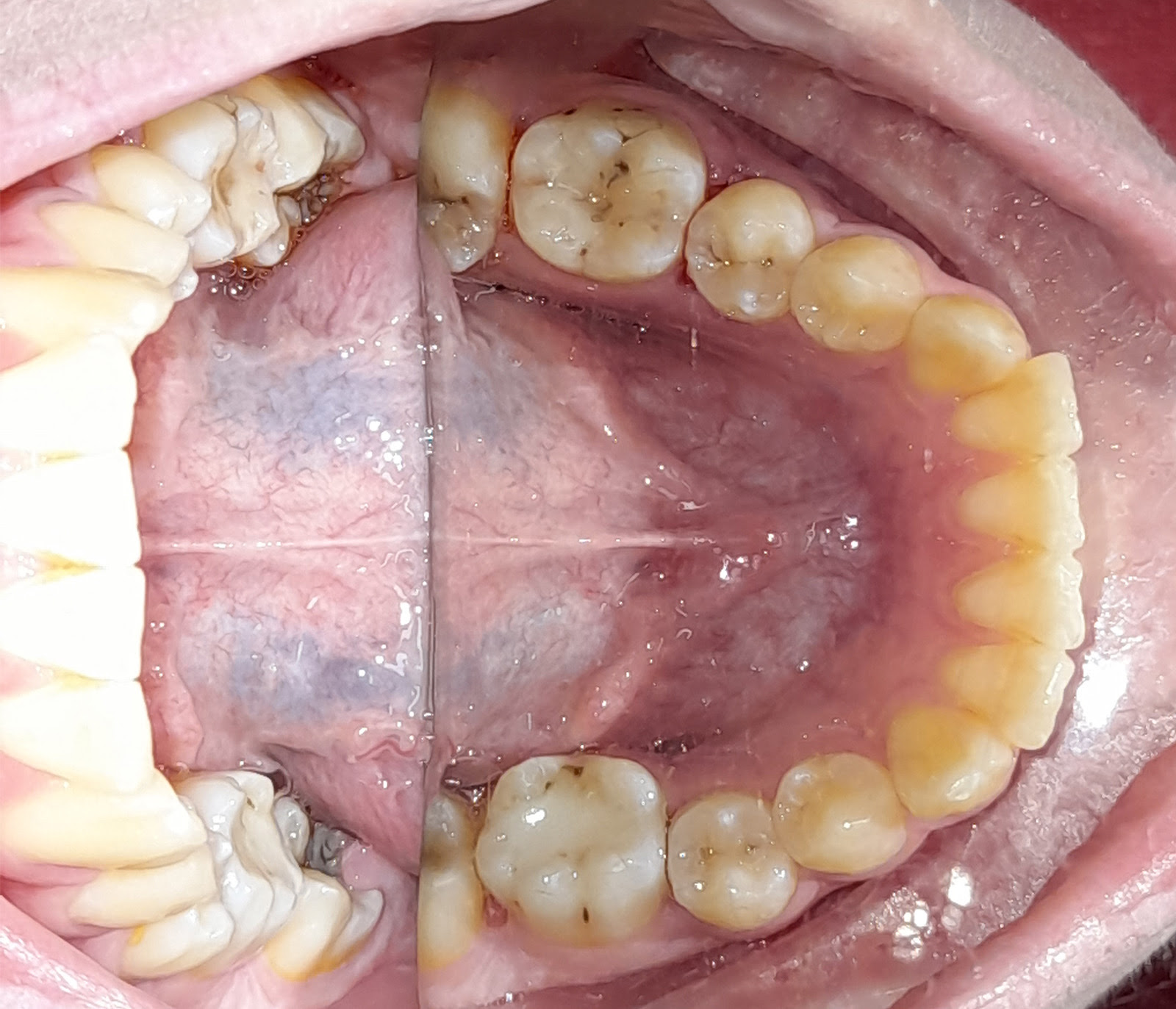
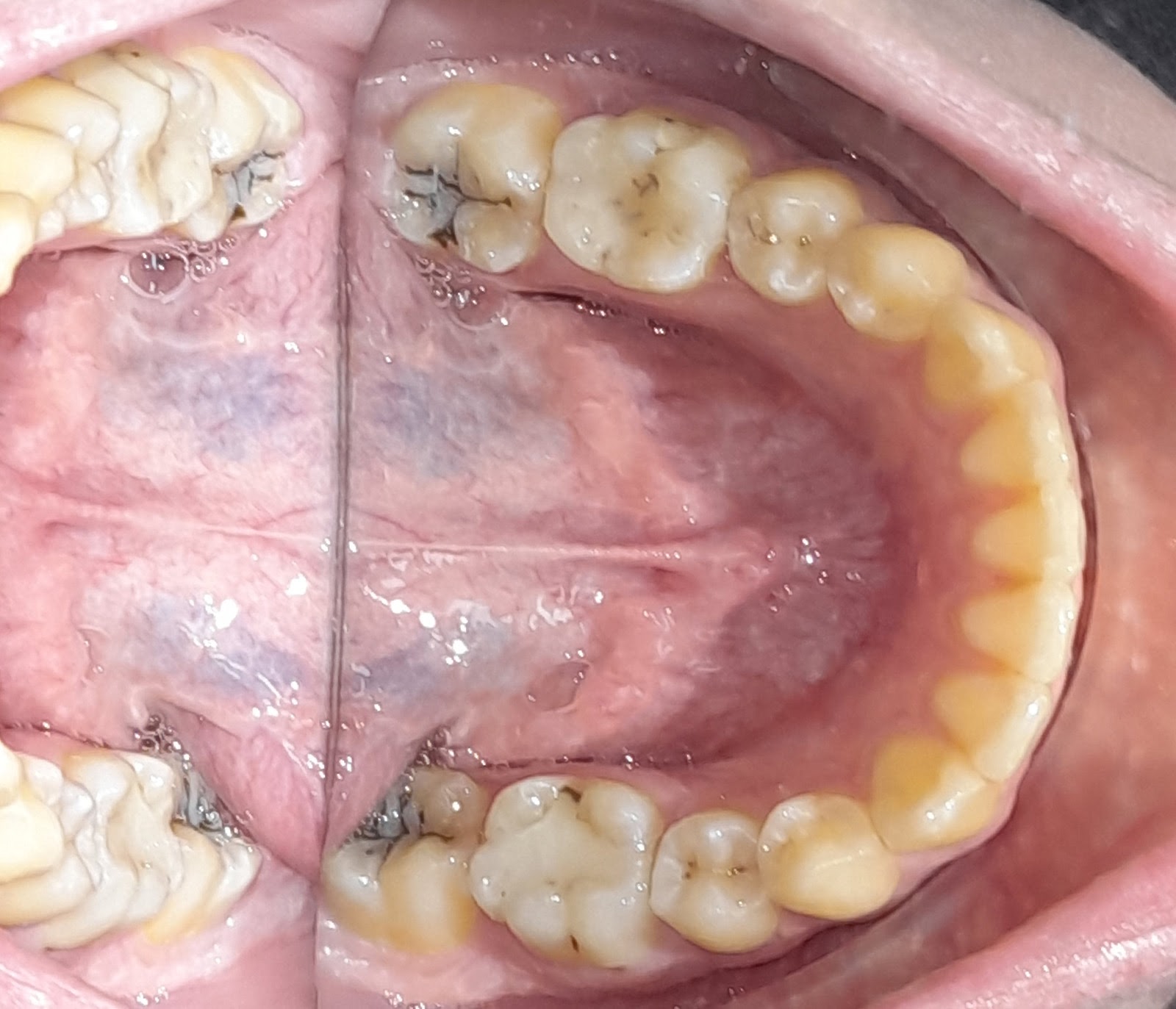
Our Goal:
A Healthier Bite and a More Confident Smile
Jaw surgery (orthognathic surgery) has come a long way in recent years. Its main goal is to correct problems with the jaws so that the teeth fit together properly and the face looks more balanced.
- This treatment can bring many benefits:
- Easier breathing
- Better bite and healthier teeth
- A brighter, more natural smile
- Improved facial balance and appearance
Most importantly, these changes can boost confidence and support overall health and well-being.
Stages of Treatment
1. Before Surgery (Orthodontic Treatment)
- The teeth are gently moved into the right positions with braces or aligners.
- This step makes sure that, once the jaws are corrected with surgery, the teeth will fit together properly.
2. Surgery
- The jaws are carefully moved into their correct position.
- This improves the way the teeth bite together, makes chewing easier, and also creates a more balanced facial appearance.
3. After Surgery (Finishing Braces)
- Braces are used for a short time to make small adjustments to the teeth.
- This step fine-tunes the bite, keeps the jaws and teeth stable, and helps maintain the long-term results.
Schedule Today
Schedule a free consult a Athens Orthodontic center today.